
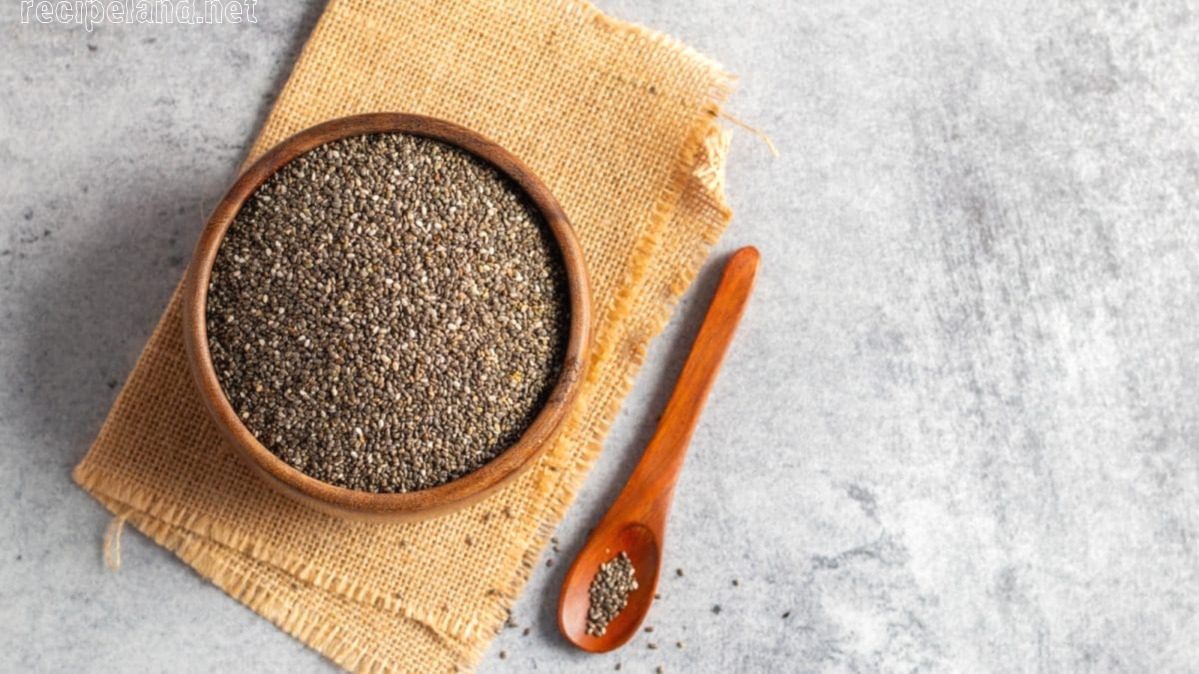
Chia seeds have become a popular addition to many health-conscious diets, praised for their high fiber, omega-3 fatty acids, and nutrient-rich profile. However, while these tiny seeds offer numerous benefits, they may not be suitable for everyone. Understanding who should exercise caution can help avoid potential health issues.
Interactions with Medications and Blood Pressure Concerns
Chia seeds are known for their ability to help regulate blood sugar levels thanks to their fiber content. That said, they can interact with certain medications, especially blood thinners and diabetes drugs. For example, chia seeds might affect the absorption of common diabetes medications like metformin, potentially leading to higher blood sugar levels. Anyone taking these medications should consult a healthcare professional before regularly consuming chia seeds.
Additionally, while chia seeds benefit people with high blood pressure due to their omega-3 fatty acids and potassium, they may lower blood pressure further in those who already have low blood pressure. This could cause symptoms like dizziness or fatigue, so those with low blood pressure should avoid daily intake or speak with a doctor about appropriate use.
Digestive Sensitivities and Allergic Reactions
Individuals with digestive disorders, such as Irritable Bowel Syndrome (IBS), need to be mindful when adding chia seeds to their diet. The seeds’ high fiber content can trigger bloating, gas, or constipation if introduced too quickly or consumed in large amounts. It’s advisable to start with small servings and drink plenty of water to help the digestive system adjust smoothly.
Though uncommon, some people may experience allergic reactions to chia seeds. Symptoms can include skin irritation, itching, or respiratory difficulties. Those with a history of seed allergies should approach chia seeds with caution and consider consulting an allergist prior to consumption.
Considerations for Pregnant and Breastfeeding Women
Pregnant and breastfeeding women should also be cautious about chia seed consumption. Since chia seeds may influence hormone levels and interact with certain medications, consulting a healthcare provider before incorporating them into the diet is recommended during these sensitive periods.
In summary, while chia seeds are a nutrient-packed superfood contributing positively to many diets, specific groups need to evaluate their consumption carefully. Whether due to medication interactions, blood pressure concerns, digestive issues, allergies, or pregnancy, consulting a healthcare professional can help ensure chia seeds support your health safely.
For further details on dietary guidelines, visit the FDA official website.