
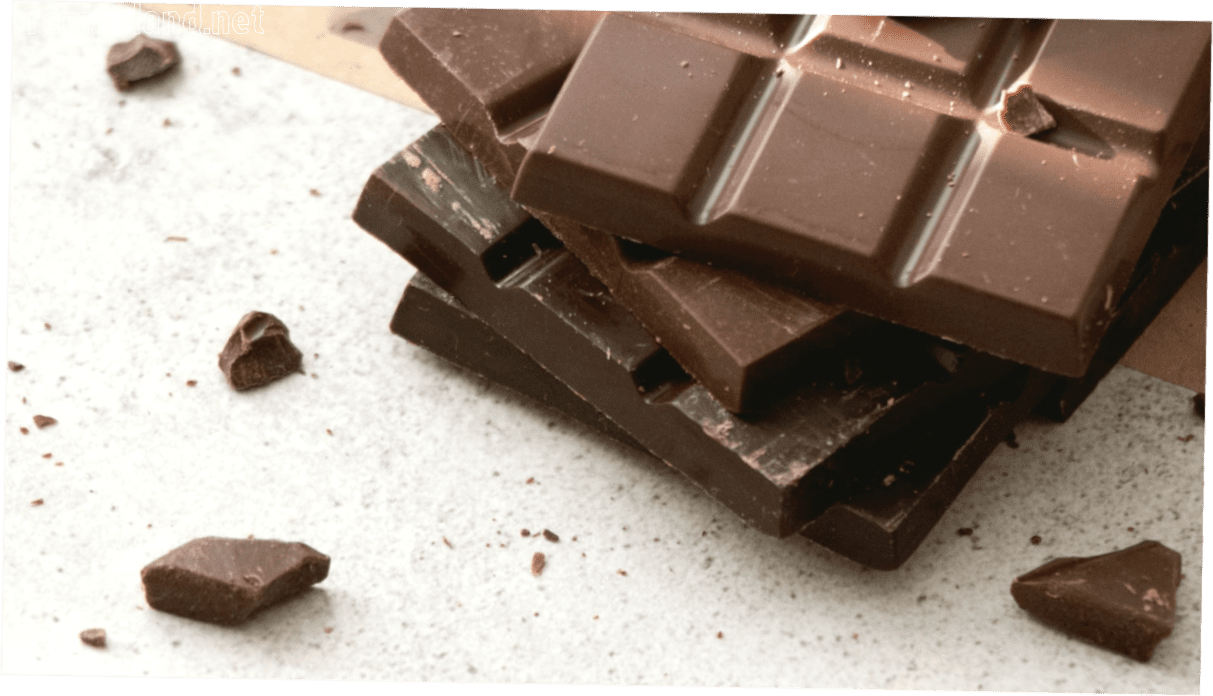
Once considered a quick fix between meals, snacks are now taking center stage in our daily diets. Welcome to Snackification 2.0—a food revolution shaped by shifting market trends, wellness goals, and fast-paced lifestyles.
The Changing Face of Snacking
Today’s snacking habits are driven by more than just hunger. They reflect a larger movement toward health optimization and convenience. The traditional three-meal framework is steadily giving way to five or six mini-meals, making snacks an essential part of daily nutrition strategies.
Time-starved consumers are rethinking how they fuel their bodies. Whether you’re dashing from one meeting to the next or squeezing in a gym session before work, grabbing a quick, nutrient-packed snack has become second nature.
Meanwhile, the health-first mindset is influencing purchasing behavior. Concerns over metabolic health, gut balance, and even mental clarity have led many to choose snacks that deliver functional benefits—more than just a burst of energy.
Snacks Meet Supplements
The line between what’s considered food and what’s viewed as a supplement is blurring. Many consumers now look for snacks that support specific wellness goals—gut health, better sleep, or even glowing skin. This new category of “functional snacks” is where innovation is booming.
Key trends include:
- Gummy vitamins that aid digestion, sleep, and skin wellness.
- Fermented snack bars offering microbiome support and prebiotic benefits.
- Hydration sachets packed with electrolytes and gut-friendly ingredients.
- Protein-packed items like biscuits and chips doubling as meal replacements.
According to Sova Health, these options are gaining ground not just for their health benefits, but also because they cater to modern taste preferences and busy schedules.
Who’s Leading the Snack Revolution?
Millennials and Gen Z are at the forefront of this shift. For these generations, wellness is a lifestyle, and food is a tool for achieving holistic health. Transparency, functionality, and innovation are key when they choose what to eat—and snack brands are responding in kind.
Interestingly, older consumers are not far behind. With growing awareness of metabolic wellness and chronic disease prevention, smart snacking is finding a broader audience. From plant-based snacks to high-protein convenience foods, the market is responding to a multi-generational demand.
Smart Snack Picks for Every Schedule
What does a “better-for-you” snack look like in 2025? Here are a few options reshaping the shelves:
| Snack | Benefit |
|---|---|
| Greek Yogurt Pouches | High in probiotics, supports digestion |
| Boiled Egg Snack Packs | Protein-rich and meal-flexible |
| Nut & Date Energy Bites | High-fiber and often adaptogen-enhanced |
| Mini Millet Crackers | Gluten-free and low-calorie |
| Kombucha Cans | Fermented beverage with live cultures |
| Dark Chocolate with Magnesium | Supports mood, sleep, and energy |
The rise of snackification is more than a fleeting trend—it’s a response to evolving consumer needs and a lifestyle built around health, mobility, and informed choice. As market trends evolve, expect snacking to play an even larger role in how we eat, think, and live.