
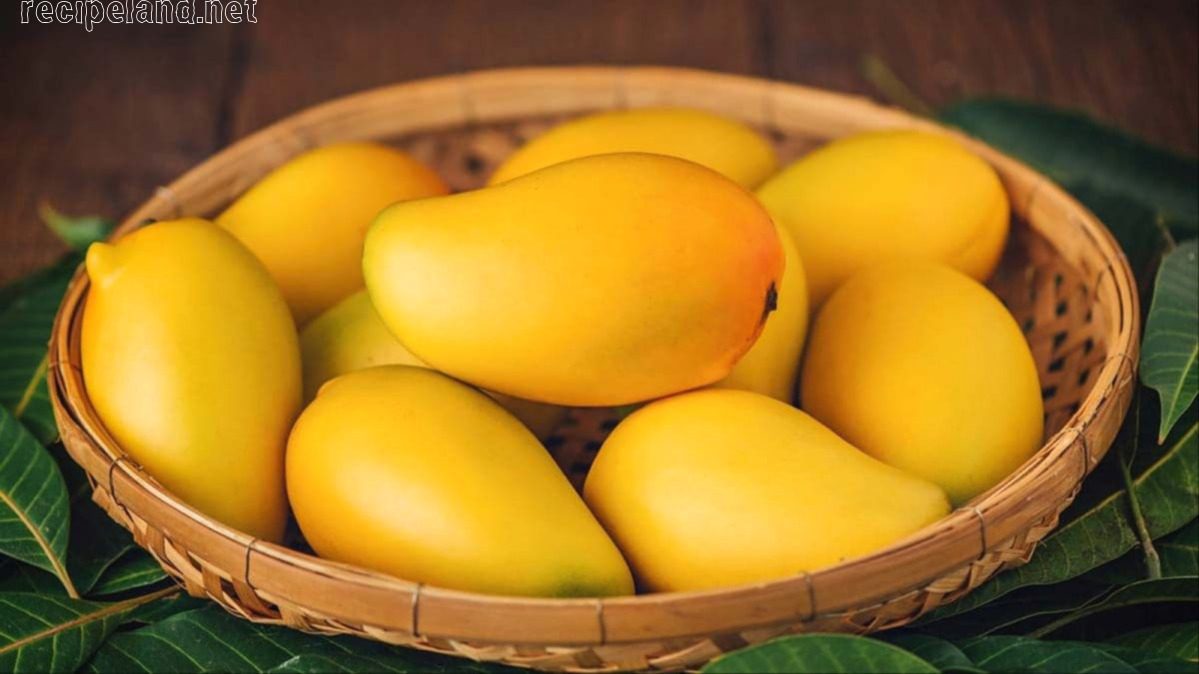
Picking the perfect mango shouldn’t feel like guesswork. With so many varieties and colors on display, knowing how to find a sweet, ripe one can turn your shopping into a flavorful success.
1. Follow Your Nose
Start with a sniff test. A ripe mango gives off a sweet, tropical fragrance—especially around the stem. If it smells fruity and rich, that’s a green light. If there’s no scent, it may need more time. A sour or fermented smell, on the other hand, usually means it’s past its prime.
2. Give It a Gentle Squeeze
Texture tells you a lot. A ripe mango will yield slightly to pressure, similar to an avocado or peach. It shouldn’t feel rock-hard, which suggests it’s underripe. If it feels mushy, it’s likely overripe. A slight give is your best indicator of ripeness.
3. Use Color as a Clue (But Not the Only One)
Color can help—but don’t rely on it alone. Different varieties ripen differently. For example, Alphonso and Dasheri mangoes turn golden-yellow when ripe, while Langra mangoes remain green. Combine visual cues with scent and touch for best results.
4. Feel the Weight
Pick up a few mangoes and compare. Ripe mangoes often feel heavier than they look due to the high water and sugar content. If it seems unusually light, it may be underripe or dry inside.
5. Inspect the Stem Area
The stem area can reveal a lot. A ripe mango may have a slight softness or bulge near the stem, but it should never appear wrinkled or dried out. A firm, slightly springy stem area is usually a good sign of freshness.
6. Ripen at Home if Needed
Don’t worry if your mango isn’t quite ready. To speed up ripening, place it in a paper bag at room temperature. This traps the natural ethylene gas and accelerates the process. Check it daily—once it’s ripe, transfer to the fridge to keep it fresh longer.
With these expert-backed tips, you’ll soon be selecting mangoes like a pro. Whether you’re prepping a smoothie, salad, or just eating them fresh, knowing how to spot a ripe one makes all the difference. For more tips on seasonal fruit picking, check out resources from the National Mango Board.