
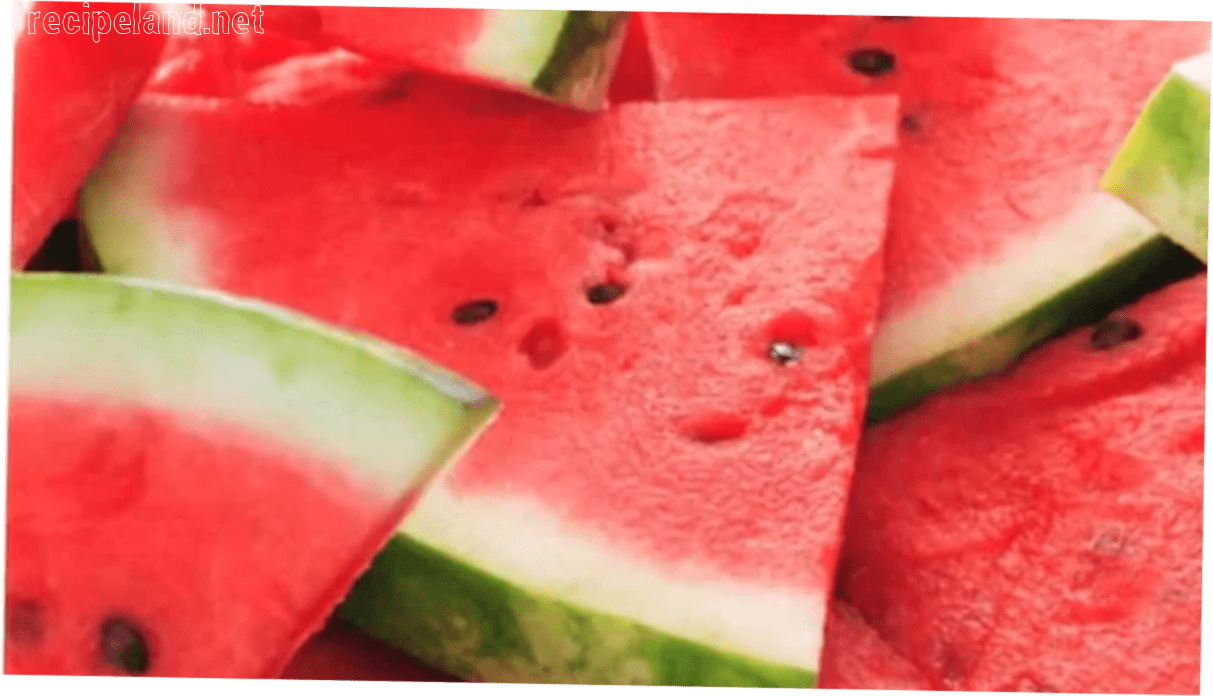
Summer brings with it a bounty of refreshing fruits, and few are as iconic and hydrating as watermelon. But as demand rises, so does the risk of buying artificially ripened or chemically treated produce. Here’s how to spot the difference and ensure the watermelon you bring home is pure, safe, and naturally ripened.
Key Visual Checks to Spot a Genuine Watermelon
One of the easiest ways to assess a watermelon’s quality is by inspecting its exterior. A naturally ripened watermelon typically features a consistent, dark green skin with clear, defined stripes or spots. Be cautious of overly glossy surfaces—this could be a sign of wax coating or artificial polishing used to make the fruit look fresher than it is.
Another important indicator is the field spot—the patch where the watermelon rested on the ground. A deep yellow or rich orange field spot often suggests the fruit was sun-ripened over time. In contrast, a pale or white spot—or no spot at all—may mean it was picked too early or ripened artificially.
Simple Tests to Detect Artificial Ripening
Beyond appearance, a few practical tests can help you determine the watermelon’s authenticity:
- Tap Test: Gently tap the surface of the watermelon. A naturally ripe melon will emit a deep, hollow sound. If it sounds dull or flat, it could be overripe or chemically altered.
- Inspect for Injection Marks: Examine the surface, especially around the stem area, for tiny pinholes or cracks. These could be signs of chemical injections used to enhance sweetness or appearance.
- Water Test: Take a small piece of the red flesh and drop it in a glass of clear water. If the water turns pink or reddish quickly, the watermelon may contain synthetic dyes or artificial colorants.
According to food safety experts, chemical-ripened fruits not only lack natural flavor but may also pose health risks. It’s important to be vigilant—especially during peak season—when sellers might resort to such methods to meet market demand.
For official guidelines on food safety and fruit adulteration, visit the FSSAI (Food Safety and Standards Authority of India) website.
Why This Matters During Peak Summer Months
With market trends showing a seasonal surge in demand for watermelons, it’s no surprise that some vendors might cut corners. While market stalls brim with vibrant options, it pays to know what to look for. As consumer awareness grows, these simple checks can empower shoppers to make better, healthier choices without relying solely on appearances.
Whether you’re slicing up a watermelon for a backyard cookout or blending it into a smoothie, ensuring it’s naturally ripened means better taste, safer nutrition, and real summer refreshment.