
As Good Friday nears, Indian kitchens awaken with the aroma of age-old traditions and sacred flavors. While the day remains a solemn one for prayer and reflection, many Christian communities across the country honor the occasion with simple yet symbolic foods—most notably, baked goods that speak to both faith and family.
Bread as a Symbol of Communion and Reflection
Across states like Goa and Kerala, bread takes center stage during the Holy Week. In Goa, sweet coconut-stuffed buns are a local favorite, typically enjoyed after Good Friday services. These soft, pillowy breads are filled with a warm mixture of grated coconut, jaggery, and cardamom—humble ingredients that capture the essence of Lenten restraint giving way to Easter joy.
“They’re nostalgic, spiritual, and ideal for sharing after prayer,” says Tahzeeb, a local baker keeping this tradition alive. Made with basic pantry staples—flour, yeast, coconut oil, and spices—the buns are gently glazed and baked until golden. A comforting reminder of home and heritage, they pair beautifully with a hot cup of tea.
In Kerala, the observance of Maundy Thursday centers around Pesaha Appam, an unleavened rice cake prepared by Saint Thomas Christians. Served alongside Pesaha Pal (a sweet coconut milk dip), the bread is traditionally broken by the family patriarch into 13 pieces—symbolizing Jesus and his 12 apostles. The ritual is deeply spiritual, often accompanied by readings from the Old Testament. Learn more about this tradition from the Kerala Tourism Department.
Modern Interpretations Meet Market Trends
While tradition reigns supreme, modern interpretations are gaining popularity—particularly among younger cooks and urban families. Vegan ceviche, created by Chef Sagar, is one such example. Made with sweet corn, coconut water, lemongrass, and citrus, the dish is light, vibrant, and honors the Lenten spirit without sacrificing flavor. It’s also perfectly aligned with rising market trends around plant-based, dairy-free meals.
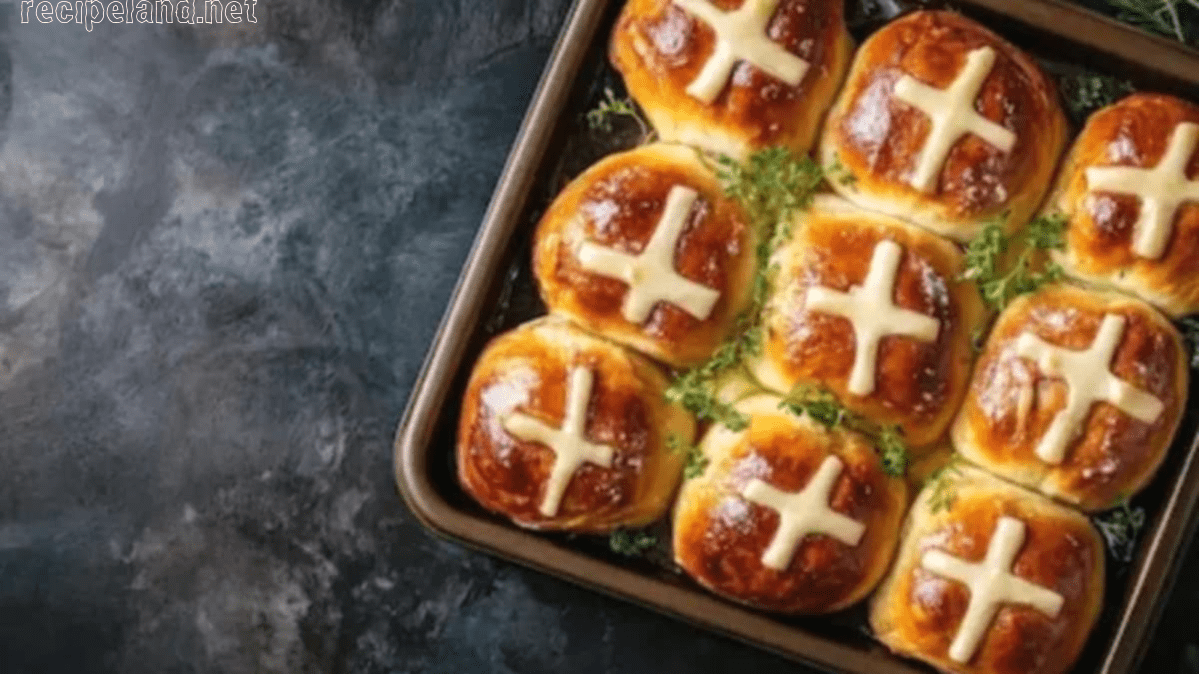
Meanwhile, Hot Cross Buns continue to hold cultural and spiritual significance, especially in churches across India. Spiced with cinnamon and nutmeg, and sometimes studded with currants, these buns are distributed after the Maundy Thursday foot-washing ceremony—a practice meant to emulate Christ’s humility. Their iconic cross topping symbolizes sacrifice and is recognized globally as a staple of Good Friday.
Adding a uniquely Indian flair, Chef Anand Panwar introduces a spiced sweet bread using gur shakkar, cardamom, cashews, and raisins. “It’s a loaf that smells like memory,” he shares. The recipe mirrors global baking trends while staying rooted in local flavor profiles.
Sweet Endings with Cultural Depth
No Indian celebration feels complete without a touch of mithai. A standout this season is a spiced khoya barfi made with fennel, nutmeg, and cinnamon, and sweetened with khand for a mellow finish. Perfect for gifting or serving at Easter brunch, this barfi bridges festive indulgence and cultural nostalgia.
Then there’s the beloved fruit cake, enriched with soaked raisins, almond powder, chocolate, and dark rum. Chef Parth Saxena’s version is both a tribute and a reinvention. “It’s not Rumy Aunty’s fruit cake,” he says with a smile, “but it carries the same spirit of generosity and joy.”
These recipes—and the memories they evoke—illustrate how Good Friday food in India continues to evolve while staying true to its roots. From traditional appams to innovative vegan dishes, each item reflects a thoughtful blend of spirituality, heritage, and modern palate trends.