
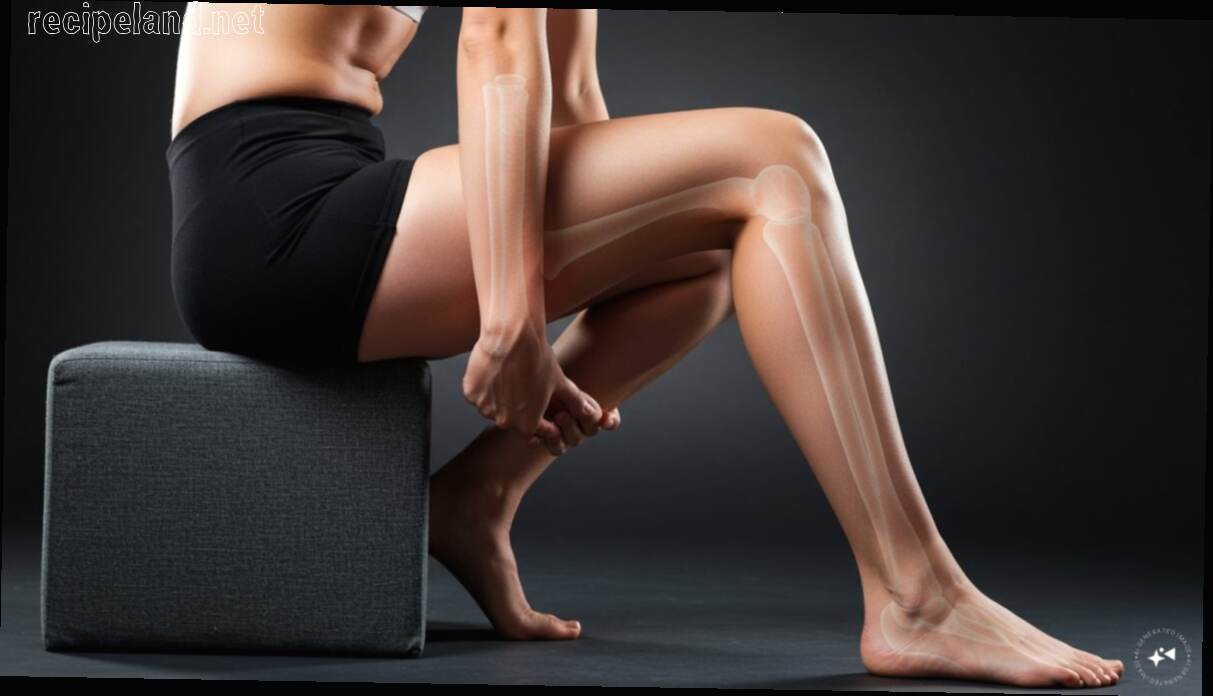
Do you experience stiffness in your knees when climbing stairs or find your fingers stiff after a long day at the desk? It’s tempting to dismiss these aches as a sign of aging, but joint pain in your 20s or 30s may be more than just temporary discomfort. Early onset arthritis is becoming increasingly common among younger adults, and recognizing the symptoms early can make a significant difference.
The Growing Trend of Early Onset Arthritis
Traditionally, arthritis has been viewed as a condition that affects older adults. However, recent observations by healthcare professionals reveal a shift: arthritis is appearing earlier, even in people in their late 20s and 30s. This change is concerning because many young adults overlook their symptoms, assuming joint pain is something to be expected only in old age.
Ignoring early symptoms can lead to delayed diagnosis and treatment, allowing inflammation to progress and cause permanent joint damage. That said, catching arthritis early opens the door to effective interventions that can slow down or even prevent further deterioration.
Spotting the Warning Signs
While occasional joint aches after physical exertion are normal, persistent symptoms should prompt a closer look. Early indicators of arthritis include:
- Morning stiffness lasting longer than 30 minutes
- Pain or swelling in several joints
- Reduced flexibility or difficulty with everyday activities
- Warmth or tenderness around joints
- Unexplained fatigue
These symptoms may point to rheumatoid arthritis, osteoarthritis, or other autoimmune forms such as psoriatic arthritis. Prompt attention to these signs can lead to better outcomes.
Protecting Your Joints for the Long Run
Taking care of your joint health starts well before severe pain appears. There are simple yet effective lifestyle changes you can make today to reduce your risk or manage early arthritis symptoms:
- Stay Active: Low-impact exercises like walking, swimming, and yoga help maintain joint flexibility and strength. Even brief movements throughout the day can be beneficial.
- Manage Your Weight: Extra weight puts pressure on critical joints such as hips and knees, accelerating wear and tear. Maintaining a healthy weight eases this burden.
- Listen to Your Body: Don’t ignore persistent stiffness or aches. Early medical consultation can help avoid more serious issues later.
- Create an Ergonomic Workspace: Proper posture supported by the right chair and desk setup reduces joint strain, especially if you spend long hours sitting.
- Eat Joint-Friendly Foods: Incorporate omega-3 fatty acids, antioxidants, and vitamin D through leafy greens, nuts, and healthy oils to lower inflammation and boost joint health.
Early arthritis doesn’t have to define your lifestyle. Recognizing the symptoms and adopting preventive habits can keep you moving comfortably for years to come. For more detailed information, visit the Arthritis Foundation.