
Brightly colored snacks and drinks might look appealing, but behind the vibrant hues lie potential health risks—especially for children. With synthetic food dyes appearing in everything from candies to breakfast cereals, it’s time to take a closer look at what’s really in your child’s diet.
Understanding Food Colorants: Natural vs. Synthetic
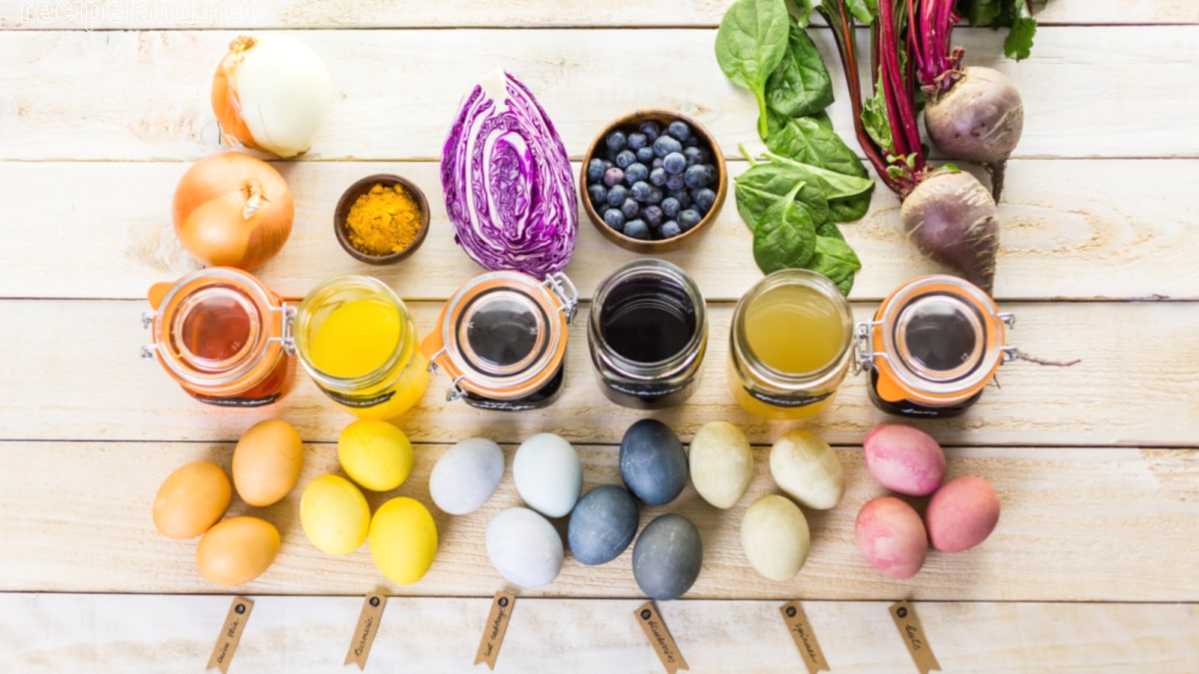
Food colorants, often labeled as dyes or additives, are used to enhance the appearance of foods. While some come from natural sources like turmeric or beetroot, others are synthetic, created in labs to mimic or intensify color. These artificial dyes are widely used in processed foods because they’re cheap, stable, and eye-catching.
Natural food colorants, derived from plants and minerals, tend to be safer. For example, annatto offers a yellow-orange shade and is sourced from seeds, while spirulina extract gives a natural green tint. On the other hand, synthetic dyes like Red 40, Yellow 5, and Blue 1 are petroleum-based and have raised health flags over the years.
Why Experts Are Concerned About Synthetic Food Dyes
While the FDA permits certain synthetic dyes, several health professionals caution against their frequent consumption, especially in children. Dr. Tilak Raj Dangwal, a Delhi-based pediatric consultant, emphasizes the importance of limiting artificial additives in children’s diets.
1. Allergic Reactions: Some food dyes can trigger allergies, with symptoms ranging from skin rashes and hives to digestive discomfort. Children with existing sensitivities or weaker immune systems are especially at risk. If your child shows signs like itching, stomach upset, or sudden mood swings after consuming packaged snacks, it might be time to check the label.
2. Behavioral Effects: There’s ongoing debate about the connection between artificial dyes and behavioral changes such as hyperactivity and attention issues. While not all studies reach the same conclusion, a noticeable pattern has prompted several countries to issue warnings or even ban certain dyes altogether. In the U.S., some parents have reported improvements in their child’s focus and mood after eliminating colored foods from their meals.
In response, several schools and health organizations advocate for more natural food options and clearer labeling. The FDA’s guidelines on food additives offer a useful reference for concerned parents.
What Parents Can Do
As awareness grows, so does the demand for healthier food choices. Parents can take proactive steps by:
- Reading ingredient labels carefully
- Choosing foods with natural colorants or none at all
- Limiting processed snacks and sugary beverages
- Encouraging whole, home-cooked meals
Notably, several major food brands are shifting toward natural alternatives to meet consumer demand. But until broader changes take hold across the industry, it’s up to parents to stay vigilant about what ends up on their child’s plate.
In today’s fast-paced world, convenience often comes at a cost. By staying informed and prioritizing natural foods, we can safeguard our children’s health while still enjoying colorful meals—without the chemical risks.