
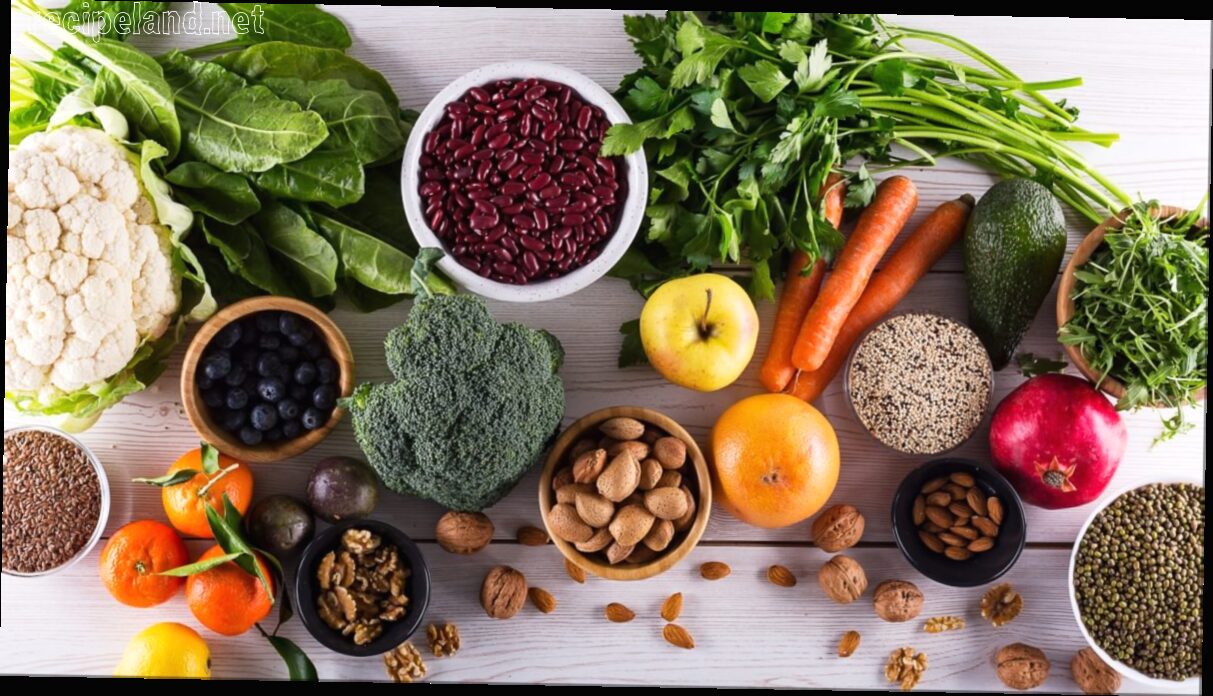
When it comes to boosting your iron intake, you don’t have to rely on red meat. From plant-based proteins to leafy greens and even a few sweet surprises, there are plenty of iron-rich foods that support your energy and overall health—no steak required.
Why Iron Matters and Where to Find It
Iron plays a critical role in the body, aiding in oxygen transport, supporting brain function, and helping maintain energy levels. While meat is a well-known source, many people—especially those on vegetarian or low-meat diets—are seeking healthier or more sustainable alternatives.
Fortunately, several everyday foods are rich in iron and easy to integrate into meals. These options offer flexibility, nutrition, and flavor without compromising your dietary choices.
| Food | Iron Content (per 100g) |
|---|---|
| Lentils | 3.3 mg |
| Tofu | 5.4 mg |
| Spinach (cooked) | 3.6 mg |
| Quinoa | 1.5 mg |
| Chickpeas | 2.9 mg |
For full nutritional details, visit the official USDA FoodData Central database at fdc.nal.usda.gov.
Top Iron-Rich Picks Without the Meat
Tofu: A go-to protein for many plant-based eaters, tofu is packed with iron and adapts to any flavor profile. Stir-fry it, grill it, or toss it into noodle bowls—it’s versatile and satisfying.
Spinach: This leafy green brings more than just color to your plate. It’s an excellent plant source of iron, especially when cooked, and pairing it with vitamin C-rich foods like tomatoes helps boost absorption.
Lentils: A staple in many global cuisines, lentils are not only high in iron but also provide plenty of fiber and plant protein. They’re perfect for soups, stews, or meatless burgers.
Pumpkin Seeds: A small handful of these crunchy seeds can deliver a mineral boost. Add them to salads, smoothies, or your morning oats for texture and nutrition.
Cashews and Pistachios: Nuts like cashews and pistachios aren’t just convenient snacks—they also provide a good amount of iron. Use them in sauces, salads, or trail mix to keep energy levels steady.
Chickpeas: Whether you prefer them roasted, blended into hummus, or added to hearty stews, chickpeas offer a tasty, iron-packed punch.
Quinoa: This gluten-free grain is a complete protein and a sneaky good source of iron. Use it as a base for bowls, mix it into salads, or substitute it for rice.
Dark Chocolate: Surprisingly, high-cacao dark chocolate contains iron. A small piece after dinner can satisfy your sweet tooth while supporting your iron needs—just aim for 70% cacao or higher.
Broccoli: This cruciferous vegetable does double duty by offering both iron and vitamin C, which helps your body absorb the mineral more effectively. Roast it, steam it, or toss it into stir-fries for a nutrient-dense side dish.
Bringing It All Together
Adding more iron to your diet doesn’t mean you have to load up on meat. These nutrient-dense alternatives not only meet your iron needs but also contribute to a well-rounded, plant-forward lifestyle. Whether you’re following current nutrition guidelines or simply exploring new ways to eat better, incorporating these iron-rich foods can support your health and energy—naturally.