
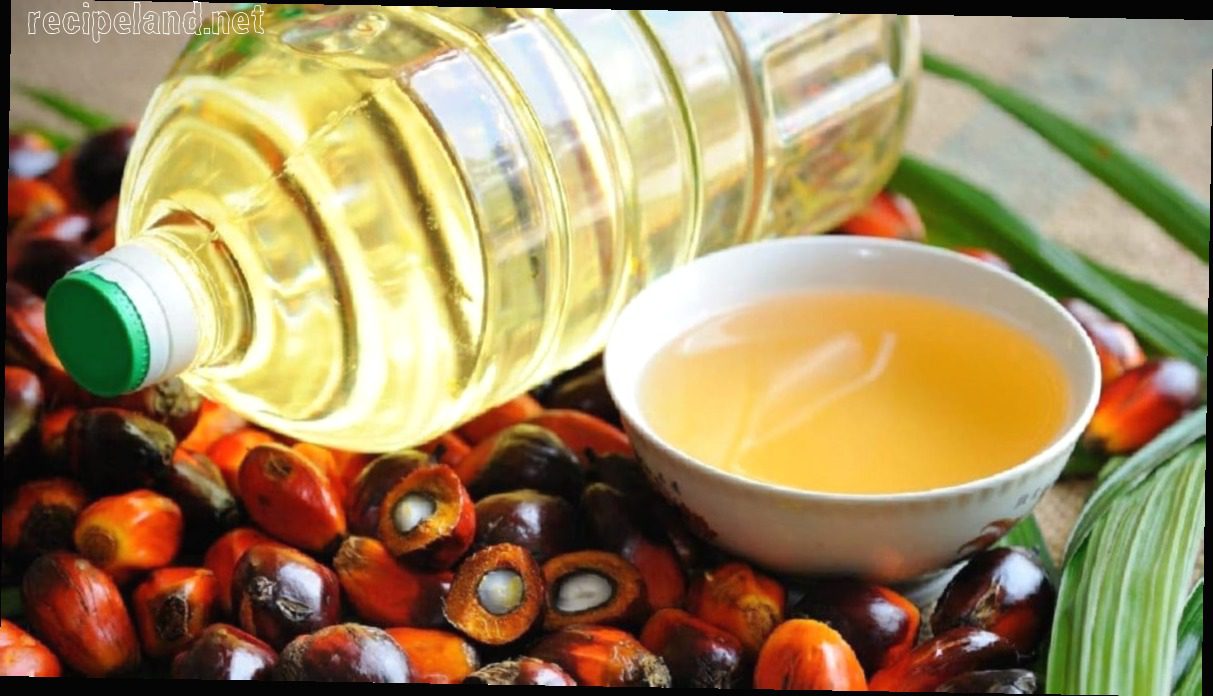
Choosing the right cooking oil isn’t just a matter of taste—it’s a key factor in maintaining long-term health. While many households in India and around the world rely heavily on oil for daily cooking, new research points to certain oils that may be more harmful than helpful.
Why Some Cooking Oils Raise Health Concerns
According to a study by the U.S. National Library of Medicine, reheating or chemically processing certain oils can result in the formation of toxic compounds. These substances—such as aldehydes and trans fats—are associated with cancer, respiratory conditions, inflammation, and even DNA damage.
Below is a breakdown of nine commonly used cooking oils that experts recommend avoiding—or at least using sparingly—due to their adverse health effects.
Nine Cooking Oils You Should Avoid
| Cooking Oil | Key Concerns |
|---|---|
| Canola Oil | Highly refined using hexane; may contain trans fats and promotes inflammation due to high omega-6 levels. |
| Soybean Oil | Genetically modified; unstable at high heat and chemically processed, leading to harmful residues. |
| Corn Oil | Undergoes chemical bleaching and deodorizing; loses nutrients and forms toxic aldehydes during cooking. |
| Cottonseed Oil | Potential pesticide contamination and presence of gossypol, a compound linked to liver and reproductive issues. |
| Refined Sunflower Oil | Low in oleic acid, high in omega-6s; oxidation can create free radicals and aldehydes during cooking. |
| Safflower Oil | High in unstable polyunsaturated fats and linoleic acid, linked to inflammation and chronic disease. |
| Vegetable Oil (blended) | Typically a mix of processed oils; contains trans fats and oxidized compounds harmful to heart and cell health. |
| Grapeseed Oil | Rich in omega-6s; refining introduces trans fats, and high heat degrades its polyunsaturated fats. |
| Rice Bran Oil | Extracted using chemical solvents; frequent reuse at high temperatures heightens health risks. |
Understanding the Bigger Picture
While these oils are common in many kitchens due to their affordability and wide availability, consumers are increasingly paying attention to market trends that favor cold-pressed and less refined alternatives like olive oil, mustard oil, and ghee. These options not only retain nutrients but are also less likely to break down into harmful substances during cooking.
That said, making smarter oil choices is only one part of the equation. It’s also crucial to monitor cooking temperatures and avoid reusing oil—practices that can significantly influence the nutritional outcome of your meals.
For more health tips and updates on food safety, visit the official site of the Food Safety and Standards Authority of India (FSSAI).
By staying informed and proactive, you can take simple yet powerful steps toward a healthier lifestyle, starting right from your kitchen.